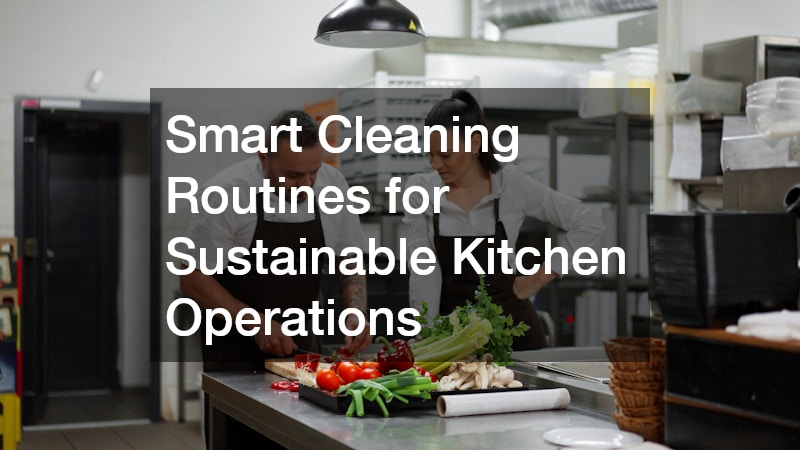
In today’s fast-paced world of culinary arts and hospitality, maintaining a clean kitchen is critical to ensure food safety and operational efficiency. Sustainable kitchen operations not only support the environment but also foster a productive atmosphere that can make a significant difference in the overall success of any restaurant or foodservice establishment. This article delves into best practices and strategies for implementing smart cleaning routines that are both effective and sustainable.
A well-organized and sustainable kitchen sets the stage for success in any foodservice operation. Not only does a clean kitchen help in meeting health standards, but it also contributes to a positive work environment and can even enhance customer satisfaction. Ensuring that these operations are sustainable requires careful planning and the implementation of smart cleaning routines. By integrating effective practices, kitchens can maintain cleanliness while minimizing their environmental impact.
Optimize Your Equipment Maintenance
Working closely with a commercial kitchen equipment supplier is not just about purchasing appliances—it is about building an ongoing maintenance and performance strategy. Suppliers often provide preventative maintenance schedules, technical support, and insights into equipment upgrades that can significantly improve operational efficiency. Regular inspections help identify early signs of wear, such as worn gaskets, miscalibrated thermostats, clogged filters, or inefficient burners. Addressing these issues early prevents costly breakdowns during peak service hours.
A well-maintained kitchen runs more efficiently, consuming less energy and producing more consistent results. For example, a properly serviced oven heats faster and maintains temperature more accurately, reducing wasted energy. Over time, these improvements translate into lower utility costs and a reduced environmental footprint.
Working with reputable suppliers also ensures access to modern, energy-efficient equipment designed with sustainability in mind. Many newer appliances incorporate features such as smart sensors, automatic shut-offs, and energy-saving modes that significantly reduce resource consumption. These suppliers can also advise on lifecycle costs, helping businesses invest in equipment that is both economically and environmentally responsible.
Finally, staff training plays a critical role in equipment optimization. Employees should be educated on correct startup and shutdown procedures, cleaning routines, and load capacities. Proper handling prevents unnecessary strain on machinery, reduces breakdown frequency, and extends the lifespan of costly equipment. A well-trained team becomes an essential part of a kitchen’s sustainability strategy.
Engage Professional Cleaning Services

Professional commercial cleaners bring specialized expertise, industrial-grade equipment, and systematic processes that go beyond standard daily cleaning. In commercial kitchens, where grease, food residue, and bacteria accumulate quickly, these services ensure deep sanitation in areas often missed during routine cleaning—such as ventilation hoods, behind appliances, and floor drains.
Their work ensures compliance with strict food safety regulations while reducing the risk of cross-contamination. This level of thoroughness is especially important in high-volume kitchens where hygiene directly impacts customer safety and brand reputation.
Outsourcing cleaning tasks also allows kitchen staff to focus on core responsibilities like food preparation and service delivery. This improves workflow efficiency and reduces burnout among employees, contributing to a more productive work environment.
Many modern commercial cleaning companies also integrate eco-friendly practices into their operations. They use biodegradable detergents, low-water cleaning systems, and non-toxic disinfectants that minimize environmental harm. This allows restaurants to maintain high sanitation standards without relying on harsh chemicals that can negatively impact indoor air quality and wastewater systems.
Regular professional cleaning schedules also prevent long-term buildup of grease and grime, which can damage equipment and surfaces over time. By extending the life of kitchen infrastructure, these services reduce replacement costs and support long-term sustainability goals.
Piping and Drain Care for Efficient Operations
Plumbing and drainage systems are essential yet often overlooked components of a commercial kitchen. When functioning properly, they support hygiene, efficiency, and smooth daily operations. However, when neglected, they can quickly become a source of disruption, causing blockages, odors, and even complete shutdowns. Professional drain cleaning services help prevent these issues by removing grease buildup, food particles, and other debris before they accumulate into major blockages. Advanced methods such as hydro-jetting and video inspections allow professionals to clean pipes thoroughly and identify potential issues before they escalate.
From a sustainability perspective, proper drain maintenance reduces water waste and prevents contamination of municipal wastewater systems. Blocked or inefficient drains often require excessive water use to resolve issues, which increases both environmental impact and operational costs. Well-maintained plumbing systems also support regulatory compliance. Health inspectors closely monitor drainage hygiene, and failures in this area can lead to fines or closures. Ensuring proper maintenance protects both business continuity and environmental health by reducing the risk of untreated waste entering the ecosystem.
Protect Surfaces with Appropriate Floor Treatments

Commercial kitchen floors are exposed to constant stress from spills, heavy foot traffic, heat, and cleaning chemicals. Applying durable floor coatings provides a protective barrier that extends the life of the underlying surface while improving safety and hygiene. These coatings prevent liquids from seeping into porous flooring materials, reducing the risk of stains, bacterial growth, and structural damage. Over time, this significantly reduces the need for costly floor replacements and minimizes construction waste.
Safety is another major benefit. Non-slip coatings help prevent workplace accidents, which are common in environments where water, oil, and food debris are frequently present. A safer working environment improves staff confidence and reduces liability risks for business owners. Sustainability is also an important consideration in modern flooring solutions. Many manufacturers now offer eco-friendly coatings that contain low or zero volatile organic compounds (VOCs), improving indoor air quality and reducing environmental harm during application and use. Regular maintenance of coated floors ensures their durability and effectiveness. Routine cleaning and reapplication when necessary help preserve both appearance and functionality, contributing to a cleaner, safer, and more efficient kitchen environment.
Maintain and Repair Plumbing Systems
Plumbing systems in commercial kitchens must support constant water usage for cooking, cleaning, and sanitation. Even small inefficiencies, such as leaks or low-pressure fixtures, can lead to significant water waste over time. Regular maintenance ensures that systems operate efficiently and sustainably. Routine inspections allow plumbers to detect hidden issues such as pipe corrosion, slow leaks, or pressure irregularities. Addressing these problems early prevents expensive repairs and reduces unnecessary water consumption.
Quick access to professional plumbing services is essential in minimizing downtime. In a busy kitchen, even a short interruption in the water supply can halt operations. Reliable service providers ensure that issues are resolved quickly and correctly, maintaining operational continuity. Upgrading to modern, water-efficient fixtures such as sensor taps, low-flow sprayers, and dual-flush systems further enhances sustainability. These technologies reduce water usage without compromising performance, helping kitchens lower their environmental footprint while reducing utility costs.
Manage Kitchen Waste Efficiently
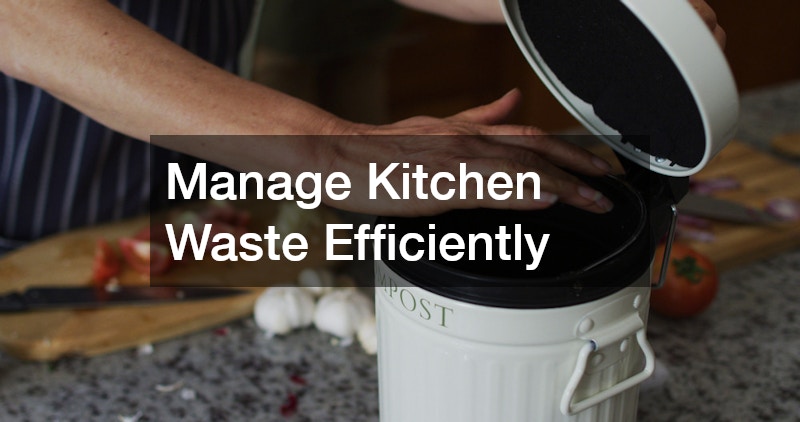
Efficient waste management is essential for maintaining both cleanliness and sustainability in commercial kitchens. A commercial grease trap plays a critical role in capturing fats, oils, and grease (FOG) before they enter drainage systems. Without regular maintenance, these traps can become clogged, leading to foul odors, plumbing issues, and environmental hazards. Routine cleaning and monitoring ensure that grease traps function properly and comply with local regulations. This prevents costly repairs and reduces the risk of contamination in public sewer systems.
Beyond grease management, kitchens can adopt broader waste reduction strategies such as composting food scraps, recycling packaging materials, and minimizing single-use plastics. These practices help divert waste from landfills and contribute to a circular economy. Partnering with professional waste management providers can further improve efficiency. These experts can audit waste streams, recommend optimization strategies, and implement recycling programs tailored to specific kitchen operations. This structured approach not only reduces environmental impact but can also lower disposal costs.
Maximize Filter Efficiency in Ventilation Systems
Ventilation systems are critical for maintaining air quality, controlling heat, and ensuring fire safety in commercial kitchens. Over time, grease and airborne particles accumulate in filters and ducts, reducing airflow efficiency and increasing energy consumption. Regular filter cleaning and replacement are essential for maintaining optimal performance. Clean filters allow ventilation systems to operate efficiently, reducing strain on fans and lowering overall energy usage.
A professional restaurant filter service can create customized schedules based on kitchen workload and cooking intensity. This ensures that systems remain compliant with health and fire safety regulations while operating at peak efficiency. Improved ventilation also enhances workplace comfort by reducing heat, smoke, and odors. A cleaner air environment supports staff health, improves productivity, and contributes to a more pleasant working atmosphere.
Innovative Approaches to Grease Disposal
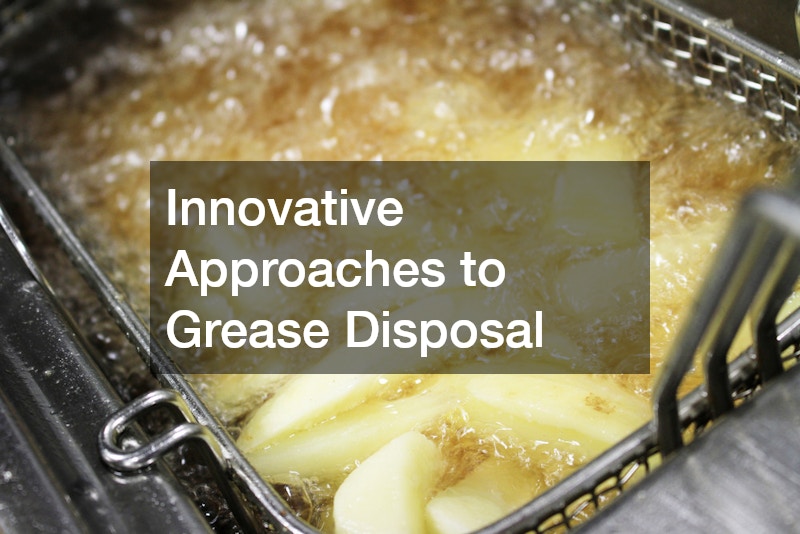
Traditional grease disposal methods often involve landfill dumping, which poses environmental risks and contributes to pollution. Grease recycling offers a more sustainable alternative by converting used fats, oils, and grease into biodiesel and other reusable products. This process not only reduces landfill waste but also supports renewable energy production. By transforming waste into fuel, kitchens contribute directly to reducing reliance on fossil fuels.
Partnering with grease recycling providers simplifies the process, as they handle collection, transportation, and processing. This allows kitchens to integrate sustainability seamlessly into their daily operations without added complexity. In addition to environmental benefits, grease recycling can enhance a restaurant’s public image. Customers are increasingly drawn to businesses that demonstrate environmental responsibility, making sustainability initiatives a valuable branding tool.
Clean Outdoor Areas with Pressure Technology
Outdoor areas such as entrances, patios, sidewalks, loading zones, and service areas are a direct extension of a restaurant’s brand experience. They are often the very first and last impression customers have, which makes their cleanliness just as important as interior spaces. Regular maintenance of these areas communicates professionalism, attention to detail, and overall operational quality.
Pressure washing is one of the most effective methods for maintaining these spaces. It uses high-pressure water streams to remove deeply embedded dirt, grease, food residue, chewing gum, algae, and environmental buildup that traditional cleaning methods often cannot fully eliminate. Unlike manual scrubbing, pressure washing can reach porous surfaces such as concrete, brick, and stone, restoring them to a cleaner and more uniform appearance.
From a sustainability perspective, pressure washing reduces reliance on harsh chemical cleaners. In many cases, water alone is sufficient to achieve a deep clean, which minimizes the release of potentially harmful substances into drainage systems and the surrounding environment. When cleaning agents are used, they can often be eco-friendly and biodegradable, further reducing environmental impact. Safety is another major benefit. Outdoor surfaces exposed to grease, rain, or organic buildup can quickly become slippery, increasing the risk of slips and falls for both customers and staff. Pressure washing removes these hazards, helping maintain compliance with health and safety regulations while creating a safer environment.
Ensure the Reliability of Kitchen Appliances
Commercial kitchen appliances such as dishwashers, ovens, refrigeration units, and prep equipment are the backbone of daily operations. When even one critical appliance fails, it can disrupt workflow, slow service, and negatively impact customer satisfaction. Ensuring their reliability is therefore essential to both operational efficiency and business continuity.
Dishwashers, in particular, play a crucial role in maintaining hygiene standards. They must consistently deliver high-temperature cleaning and sanitization cycles to ensure compliance with food safety regulations. Regular dishwasher repairs—such as cleaning filters, inspecting spray arms, checking seals, and descaling internal components—help ensure that these machines perform at optimal levels. Well-maintained appliances also contribute directly to sustainability goals. When equipment operates efficiently, it uses less water, energy, and detergent per cycle. For example, a dishwasher with clean internal components can complete cycles faster and with fewer repeat washes, significantly reducing overall resource consumption over time.
Preventive maintenance is more effective than reactive repairs. Partnering with qualified technicians allows kitchens to schedule routine inspections and identify early signs of wear before they escalate into major failures. Issues such as worn pumps, clogged lines, or failing sensors can be addressed proactively, reducing downtime and repair costs. Professional technicians also ensure that repairs are completed correctly using appropriate parts and calibration methods. This helps avoid recurring issues that can arise from temporary fixes or improper servicing. As a result, equipment lifespan is extended, reducing the frequency of replacements and lowering long-term capital expenses.
Sustainable kitchen operations are essential for modern foodservice establishments aiming to reduce their environmental footprint while maintaining efficiency and safety. By integrating smart cleaning routines, from efficient equipment maintenance to innovative waste management practices, kitchens can achieve lasting sustainability. These efforts not only enhance operations but also reinforce a commitment to environmental stewardship that resonates with consumers and employees alike.