Efficient warehouse storage can make it easier for businesses to organize inventory, use available space, and keep products accessible. As inventory volumes grow, storing everything on the floor or relying on basic shelving can quickly become inefficient. A well-planned storage system can help businesses make better use of vertical space while creating a more organized environment for employees.
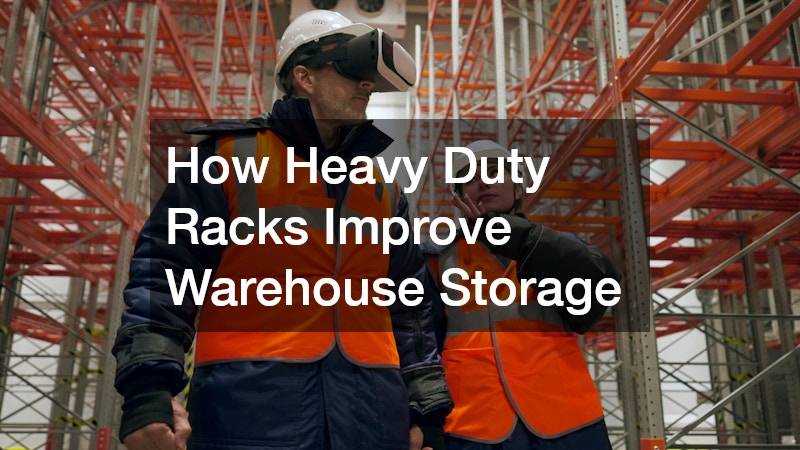
Heavy duty racks are designed to support substantial loads and can be useful in warehouses that handle large quantities of inventory, equipment, materials, or supplies. Choosing the right storage configuration can help businesses improve organization, accessibility, and overall warehouse operations.
Accommodating Heavy Inventory
Some warehouses handle products that are too heavy for standard shelving. Industrial equipment, building materials, machinery parts, bulk supplies, and large quantities of packaged goods may require storage systems designed for substantial loads.
Heavy duty racks can provide the structural support needed for heavier inventory when properly selected, installed, and loaded according to their specifications.
Load capacity should always be considered when designing a warehouse storage system. Businesses should know the weight of the products being stored and select equipment with an appropriate capacity. Overloading storage equipment can create serious safety concerns and should be avoided.
Improving Accessibility
Storage systems can improve accessibility when they are arranged around how employees interact with inventory. Products that need to be retrieved frequently should be placed where workers can reach them efficiently.
Proper spacing between racks can also support movement throughout the warehouse. Employees and material-handling equipment need sufficient clearance to move safely between storage areas.
The layout should account for forklifts, pallet jacks, carts, and other equipment used to move inventory. A thoughtful arrangement can help reduce unnecessary travel and make routine warehouse tasks more efficient.
Making Inventory Easier to Manage
Warehouse organization and inventory management are closely connected. When products have designated storage locations, employees can more easily determine what is available and where it is located.
Consistent organization can also support inventory rotation. For products with expiration dates or recommended usage sequences, businesses can arrange inventory so that older stock is easier to access.
Labels, signs, barcodes, and inventory management systems can further improve visibility. These tools can help employees identify products quickly and reduce confusion when multiple items look similar.
Creating a Flexible Storage Environment
Warehouse needs can change as businesses grow. Inventory levels may increase, product lines may change, or operational requirements may shift. A storage system that offers flexibility can make it easier to adapt to these changes.
Adjustable components can allow businesses to modify shelf heights or storage configurations based on current needs. Additional sections may also be added when more capacity is required, depending on the design and available space.
Businesses should consider both current and future storage needs when planning a warehouse layout. Investing in a system that can accommodate reasonable changes may help reduce the need for major reorganizations later.
Improving Space Utilization
Warehouse space can be expensive, particularly when businesses need to operate in a limited footprint. Efficient storage can allow companies to accommodate more inventory without immediately seeking additional square footage.
Using both floor and vertical space can create a more efficient layout. However, maximizing capacity should not come at the expense of accessibility or safety.
Businesses should aim for a balance between storage density and operational efficiency. A warehouse packed with inventory may technically hold more products, but if employees cannot access those products efficiently, overall productivity may suffer.
Reducing Warehouse Clutter
Clutter can make a warehouse harder to navigate and may create unnecessary safety concerns. Products stored directly on the floor can take up valuable working space and make it more difficult to maintain clear pathways.
A dedicated racking system gives inventory a defined location. This can help keep floors clearer and create a more orderly environment.
Better organization can also make cleaning and maintenance easier. When products are consistently stored in designated locations, employees can identify areas that need attention and keep workspaces more manageable.
Choosing the Right Configuration
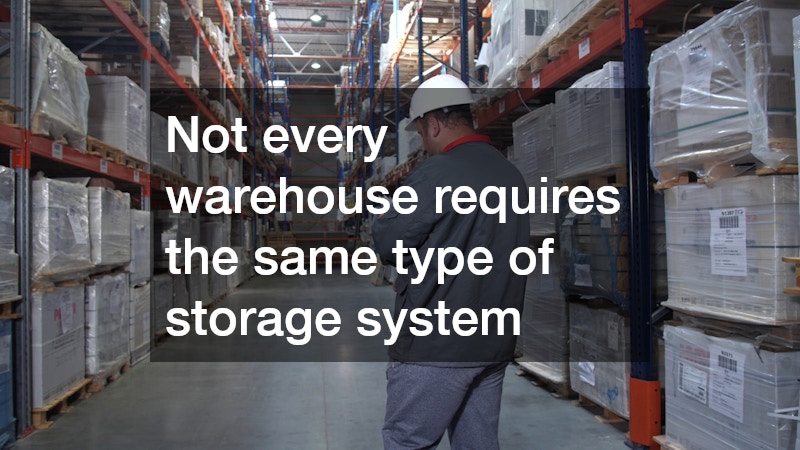
Not every warehouse requires the same type of storage system. Businesses should consider product dimensions, load weights, available floor space, ceiling height, retrieval methods, and inventory turnover when evaluating their options.
The right configuration should support both storage capacity and daily operations. Businesses may also need to consider whether inventory is stored on pallets, shelves, containers, or other platforms.
Professional guidance can be useful when a warehouse has complex storage requirements. A qualified provider can help evaluate the space and recommend a configuration that aligns with the business’s operational needs.
An effective warehouse storage system can help businesses make better use of available space, organize inventory, and support efficient daily operations. By using vertical space and providing designated locations for products, businesses can increase capacity without necessarily expanding their facilities.
Heavy duty racks can be valuable for warehouses that need to store substantial loads while maintaining an organized environment. When properly selected, installed, loaded, and maintained, they can support accessibility, space utilization, and inventory management.
Businesses should consider their current storage requirements, future growth, product characteristics, and safety needs before selecting a racking system. With thoughtful planning, the right storage configuration can create a more functional warehouse and provide a foundation for more efficient operations.